
An Experiential Journey in Life and Death Education
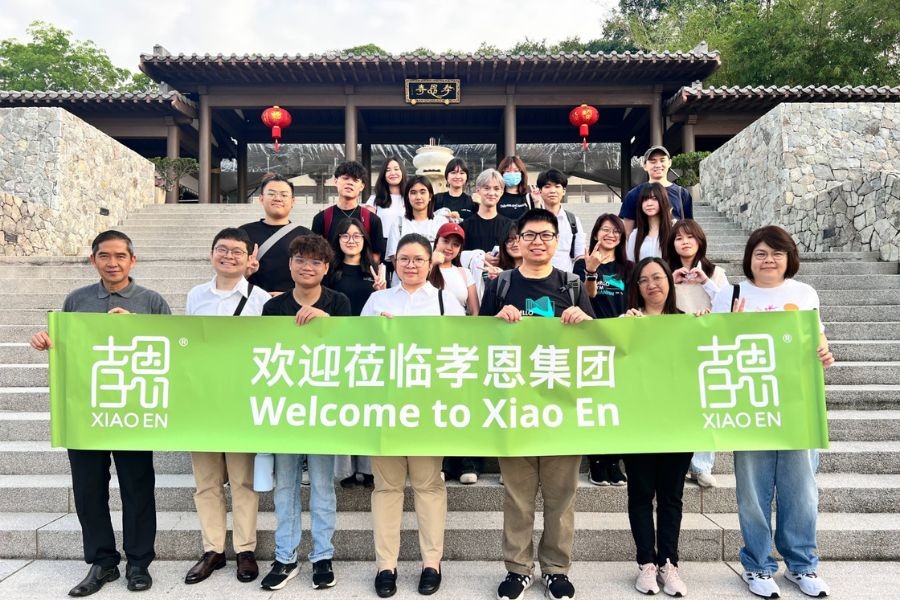
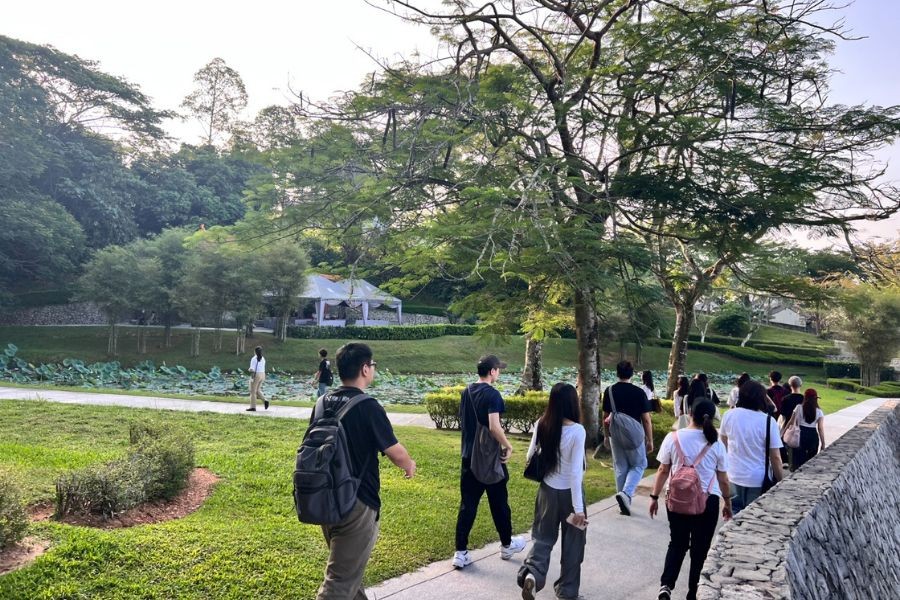
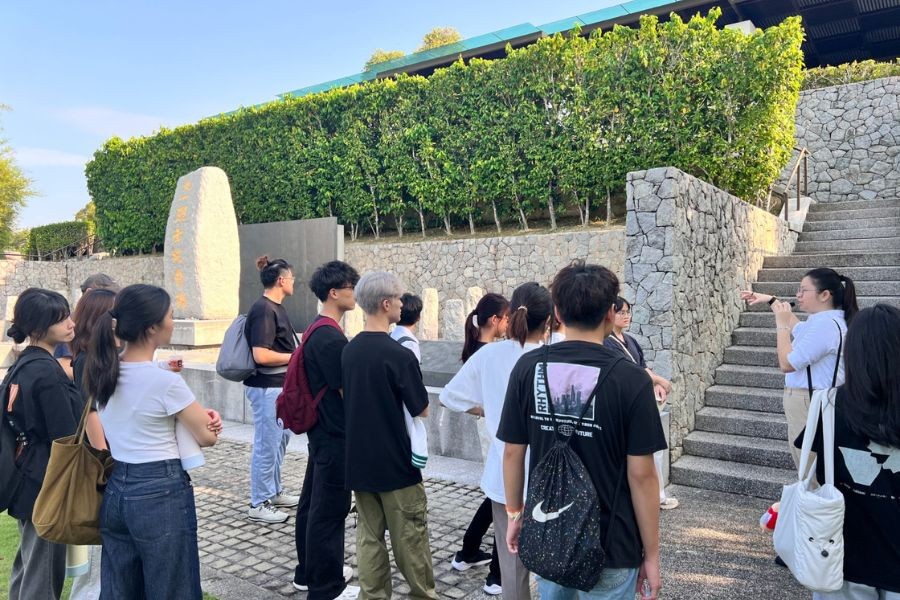
Life and Death Studies course conducted an outdoor learning session on 1 March 2026 (Sunday) at Xiao En Memorial Park and Xiao En Centre. A total of 16 students were enrolled in the session.The primary objective of this field visit was to provide students with a systematic understanding of the five key dimensions of funeral care: “connection, encoffining, funeral rites, burial/cremation, and continuation.” During the morning session at Xiao En Memorial Park in Nilai, Teacher Ticky introduced the various burial and cremation practices currently available in Malaysia and explained the evolving functions of memorial parks beyond interment, including their commemorative, educational, and community roles. Nelson, a cremation technician at the memorial park, also led students on a guided tour of the crematorium, where he explained the cremation procedures, operational protocols, and the professional responsibilities of a cremationist, offering students a clear and professional perspective on the process.
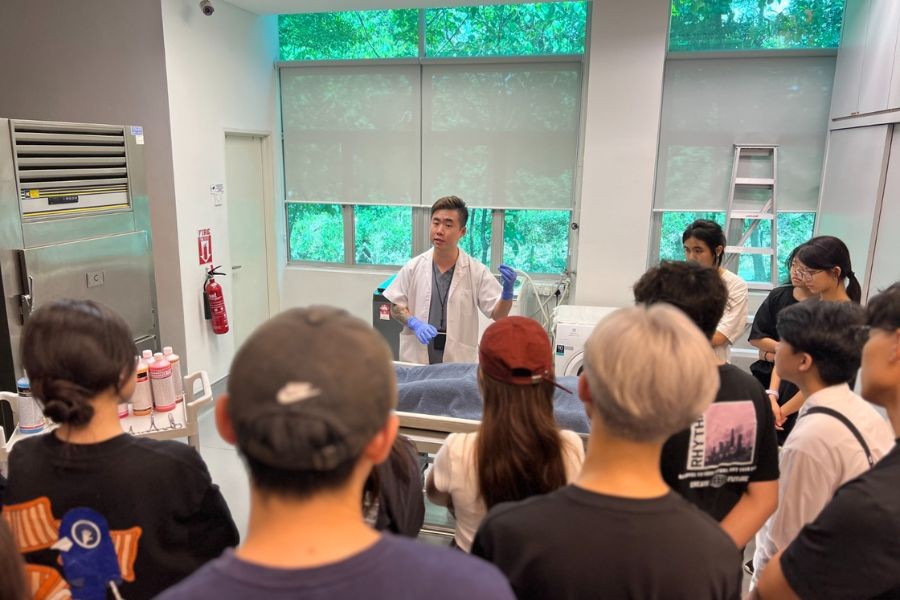
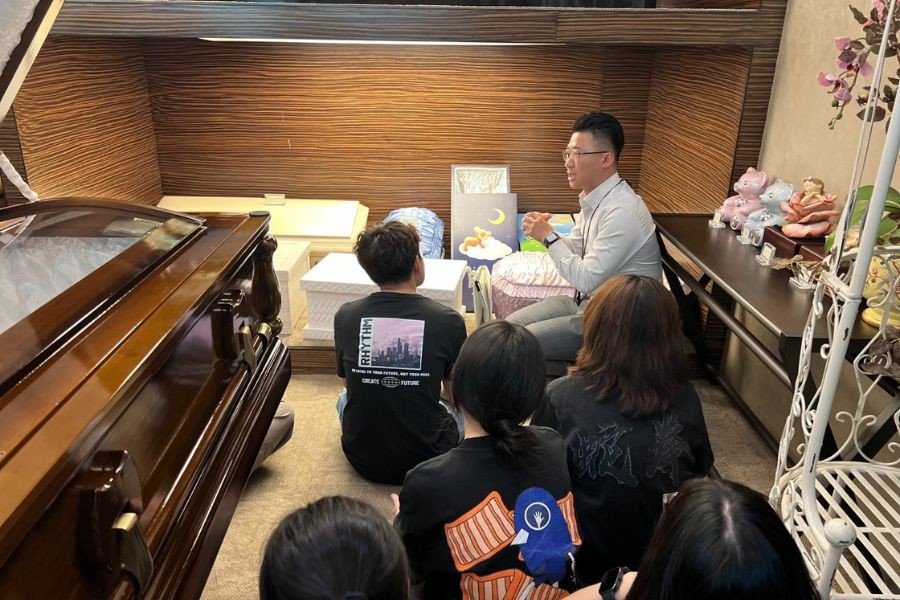
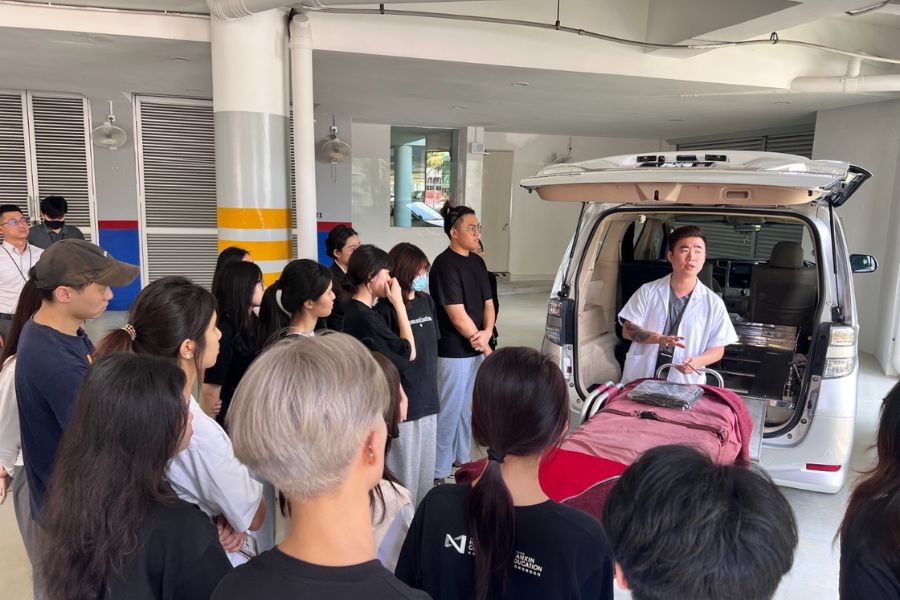
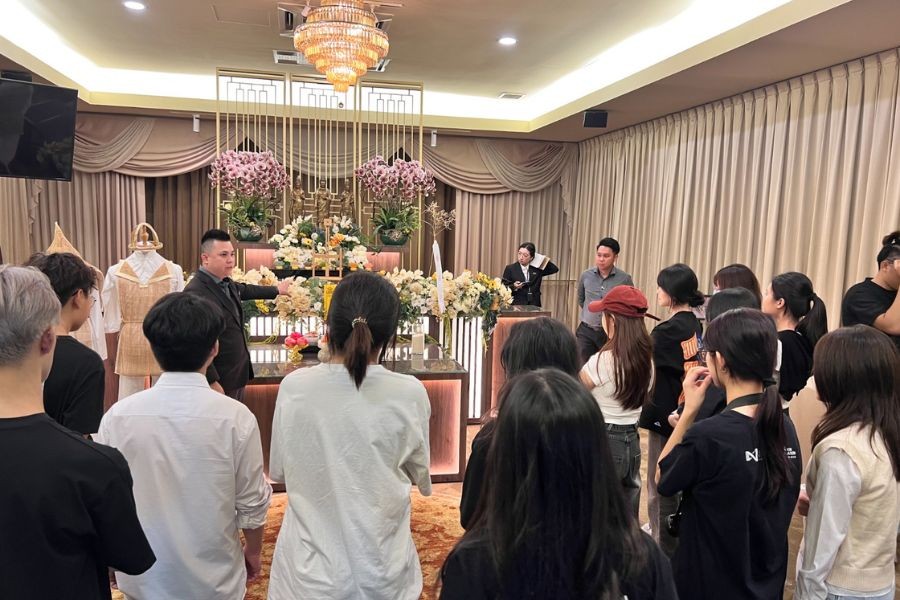
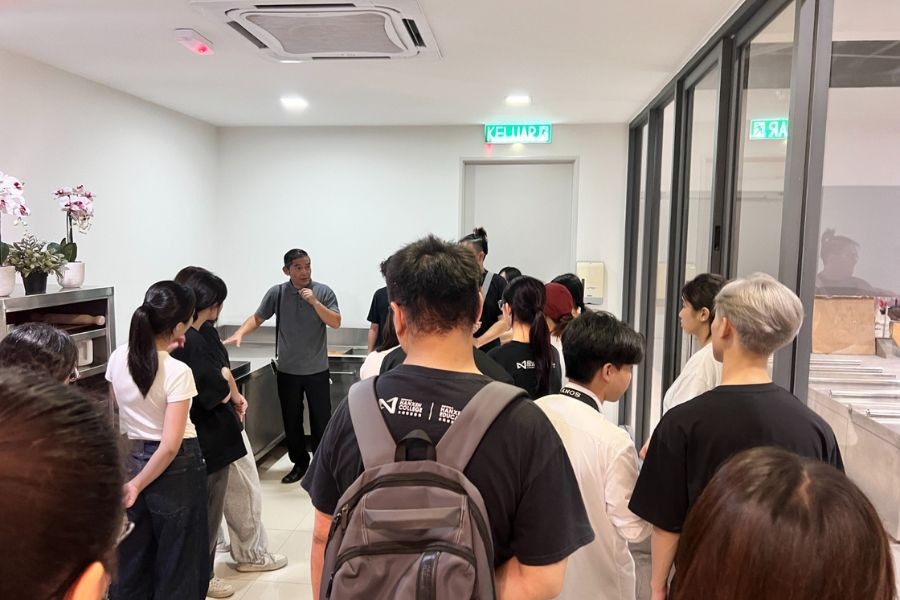
In the afternoon, the visit continued at Xiao En Centre in Cheras. Through a series of designated stations—including the transfer vehicle, body care room, exhibition area, wake hall and ceremonial hall, as well as counselling spaces—students gained insight into the procedural and emotional journey experienced by the deceased and their families. Funeral director Charles, body care specialist Desmond, undertaker Sam, and counsellor Mr. Xie each shared their professional experiences and ethical considerations, highlighting both the technical competencies and the humanistic dimensions of their work. In addition, the AFSM team introduced the Silent Mentor Academy and its body donation programme, broadening students’ understanding of life education and the contribution of anatomical donation to medical training.
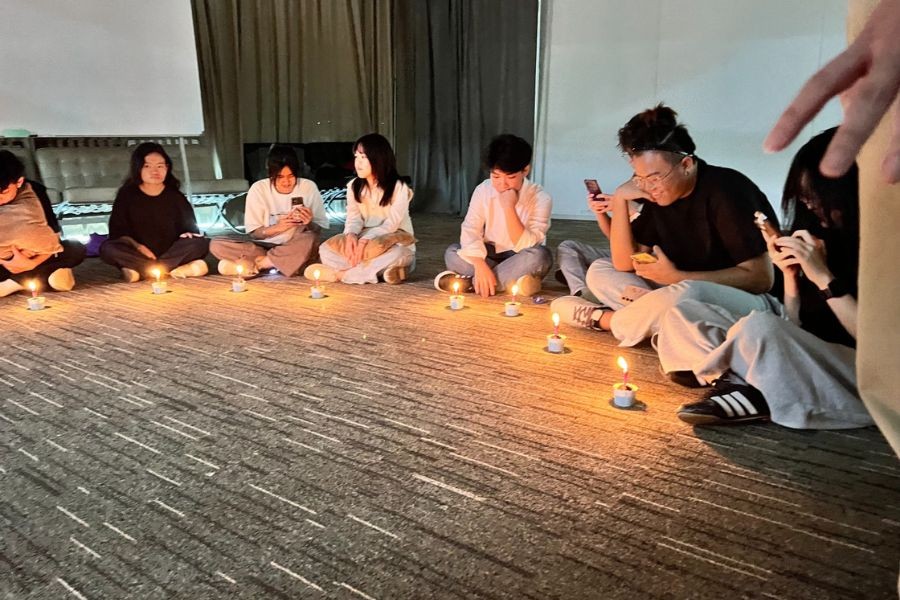
At the conclusion of the visits, Mr. Xie facilitated a structured reflection session to help students consolidate their observations and transform experiential learning into personal insight. The course emphasized the perspective of “understanding death through life,” encouraging students to confront the reality and meaning of death while they are still living consciously and fully. It further introduced the concept of “living toward death,” prompting students to consider how they might live more intentionally, cherish the present, and cultivate meaningful relationships before the inevitability of death arrives. The outdoor learning experience thus functioned not only as professional exposure but also as a profound exercise in life education.
![[HRDF Corporate In-house Training] Winning Through Expression: Attract Attention with Your Voice, Persuade with Logic](https://www.hanxing.edu.my/images/news/1779175987-Ng Ying Wei Communication.jpg)